Table Of Content
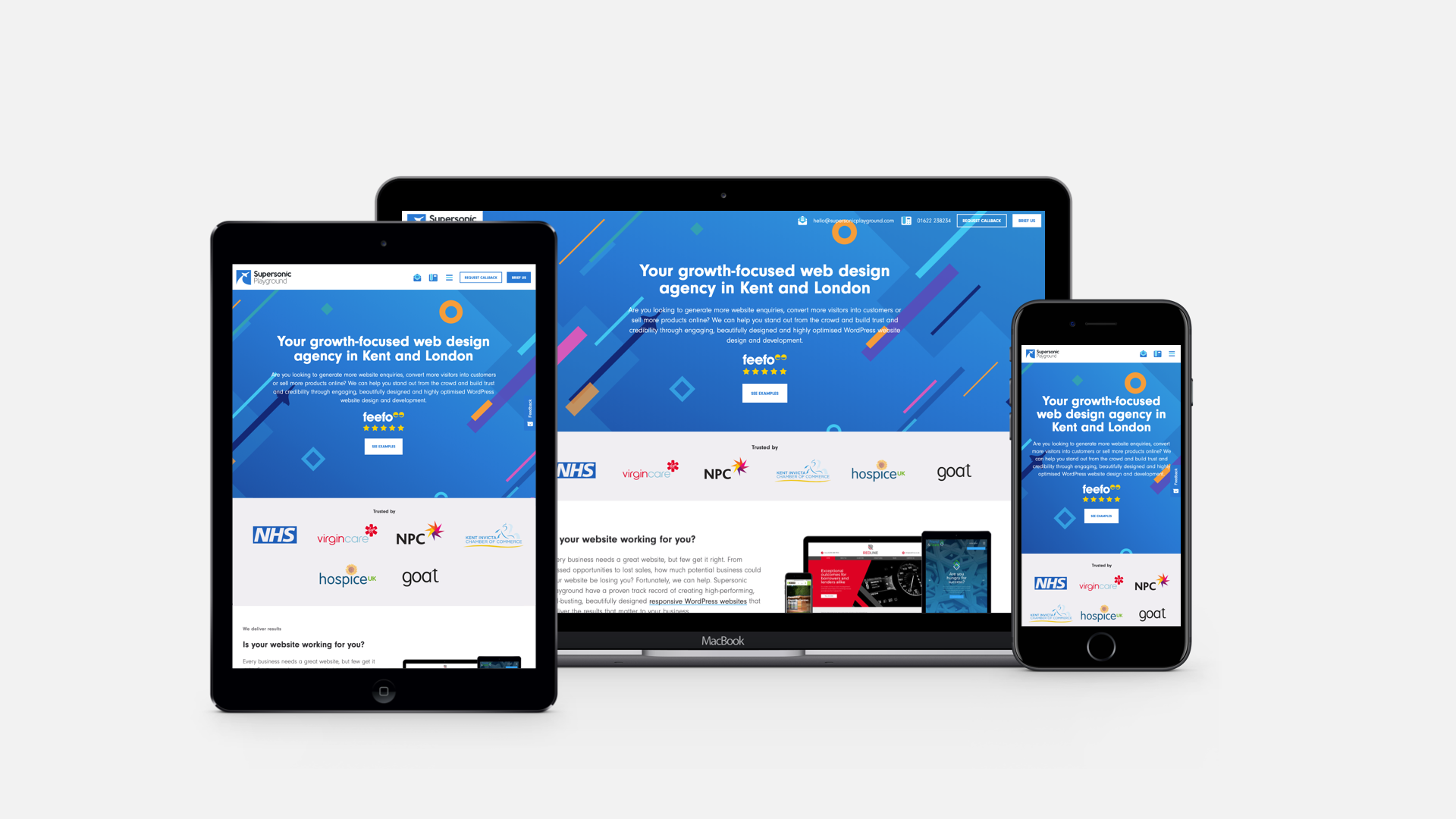
The viewports should adjust logically on tablets, phones, and desktops of any resolution. Grid systems are aids designers use to build, design, arrange information and make consistent user experiences. In interaction design, multi-column, hierarchical and modular are the most widely-used types of grids. When over half of your potential visitors are using a mobile device to browse the internet, you can’t just serve them a page designed for desktop. As this approach to typography shows, you do not need to restrict media queries to only changing the layout of the page. They can be used to tweak any element to make it more usable or attractive at alternate screen sizes.
Checklist for Responsive Design Testing
The browser then works out the size of these, a size that will change according to the screen size. Several layout methods, including Multiple-column layout, Flexbox, and Grid are responsive by default. They all assume that you are trying to create a flexible grid and give you easier ways to do so. Reposition and resize items anywhere within the grid to produce powerful, responsive layouts — faster and without code. The template has already been optimized and is ready for you to make various replacements and changes to suit your needs. It guarantees that visitors won’t experience long loading times and can quickly access your information.
Transforming the design process at
In our default style sheet below, we have hidden the links to the sidebar content. Because our screen is large enough, we can display this content on page load. Above are a few examples of how media queries, both from CSS 2.1 and CSS3 could work. Let’s now look at some specific how-to’s for using CSS3 media queries to create responsive Web designs.
Common Website Layouts
The answer is a definite yes unless you’re targeting one specific device with your website. Deliver unparalleled digital experience with our Next-Gen, AI-powered testing cloud platform. With over four years in the software testing domain, he brings a wealth of experience to his role of reviewing blogs, learning hubs, product updates, and documentation write-ups. From the above differences, it is clear that having a responsive web design can bring a host of benefits to designers, developers, businesses, and, most importantly, users. The Internet is a vast network that has the power to connect people from all around the world.
What is the purpose of responsive web design?
You can also use a free tool, like Google’s Mobile-Friendly Test, to see if pages on your website are mobile-friendly. While you can achieve mobile-friendliness with other design approaches, such as adaptive design, responsive web design is the most common because of its advantages. Responsive web design allows webpages to adjust to different devices’ screens, displaying consistent content across devices.
Media queries work best with a "mobile first" approach where you define what you want on mobile and then scale up from there. You’ll need to test content to see where breakpoints occur and plan them. Eventually, you may find you can predict breakpoints based on a device's screen resolution. With responsive web design, you can make sure your website looks its best on cell phones, tablets, laptops, and desktop screens.
In this digital age, where users access the web on a plethora of devices and screen sizes, creating a website that looks and functions well on all these platforms has become the need of the hour. To create responsive designs, UX designers work with fluid grids and images. You must work closely with developers to specify breakpoints and test if they render correctly. Responsive design is achieved through a mix of flexible grids and layouts, images, and an intelligent use of CSS media queries. As the user switches from their laptop to iPad, the website should automatically switch to accommodate for resolution, image size, and scripting abilities.
It shouldn’t require countless custom-made solutions for each new category of users. You can customize the content of any template as you wish to set up your site in less than an hour. If you already have a website, you can benefit from the templates by studying how their design changes from one device to the next. Set a base value for your font size and scale it to fit each major breakpoint.
What is Responsive Web Design?
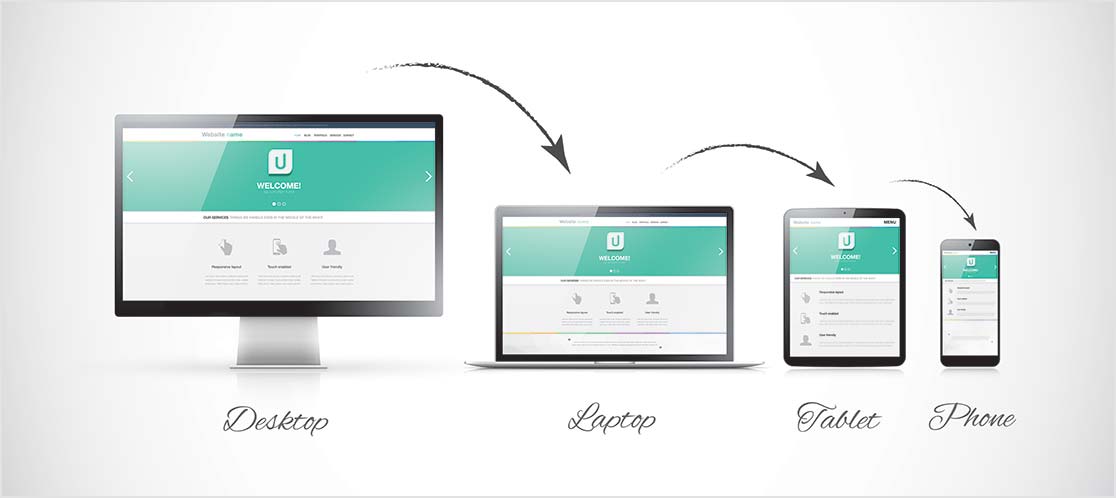
Utilize media queries to adjust different CSS styles such as width, orientation and resolution. Most businesses, especially smaller ones, don’t have a lot of time to update or refresh the way their website looks. But rather than having to hire a designer to handle every aspect of your website, responsive design allows you to make the changes yourself, quickly and easily. Additionally, in early 2015, Google announced that mobile-friendliness would become a ranking factor in its search engine algorithms.
How to make your designs responsive - Creative Bloq
How to make your designs responsive.
Posted: Mon, 23 Jul 2018 07:00:00 GMT [source]
Maintaining separate sites for your mobile and non-mobile audiences can get expensive. By using responsive design, you can save money by eliminating the cost of paying for a mobile site. You will only need to invest in a single site design to appeal to all visitors and all devices. This is perhaps the simplest example of a responsive Web design in this showcase, but also one of the most versatile.
Responsive Images, using the element and the srcset and sizes attributes enables serving images targeted to the user's viewport and the device's resolution. For example, you can include a square image for mobile, but show the same scene as a landscape image on desktop. If we are using websites that look the same on every screen size, it might be bad for the viewers as it can decrease their interest in the website and the brand. A brand that uses a non-responsive website loses customers as not every customer has the same system to open a website. Making your website responsive helps the brand to increase its customers from different platforms and helps them to build trust from a variety of users.
The user won’t be able to see all the content; even if they do, the content might be distorted and unreadable. "Responsive Design" was first coined by the web designer and developer Ethan Marcotte in his book, Responsive Web Design. Users may start interacting with your product or service on a desktop, switch to a phone or a tablet and then switch back. Moreover, The Web Content Accessibility Guidelines (WCAG) lay down web responsiveness (called Reflow) as one of the success criteria for accessible content.
Responsive typography describes changing font sizes within media queries or using viewport units to reflect lesser or greater amounts of screen real estate. You can also art direct images used at different sizes, thus providing a different crop or completely different image to different screen sizes. Using a single large image and scaling it down to fit small devices wastes bandwidth by downloading images larger than what is needed. Responsive sites are built on flexible grids, meaning you don't need to target every possible device size with pixel perfect layouts. If you create a web page containing only HTML, with no CSS, and resize the window, the browser will automatically reflow the text to fit the viewport. Responsive design can help with SEO because Google, as mentioned, gives preference to websites that are mobile-friendly.




No comments:
Post a Comment